
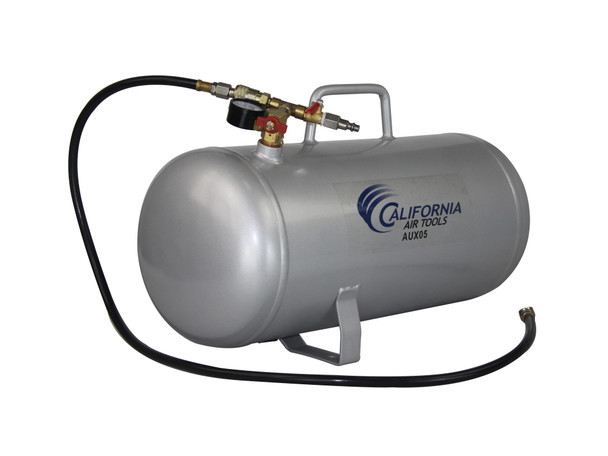
Air Compressor Tank Safety: Understanding Ratings & Inspection
Air compressors are the workhorses of many workshops and garages. But beneath the power and utility lies a potential danger: the air tank itself. A pressurized tank, if not properly maintained, can become a significant safety hazard.
Understanding your air compressor's tank ratings and performing regular inspections aren't just good practices – they're essential for a safe working environment.
Understanding Tank Ratings: What the Numbers Mean
Every air compressor tank should have a nameplate or markings indicating its critical ratings. These aren't just suggestions; they're the manufacturer's defined limits for safe operation.
- Maximum Working Pressure (MWP or MAWP): This is the highest pressure the tank is designed to safely hold under normal operating conditions. Never exceed this rating.
- Capacity (Gallons/Liters): This indicates the volume of air the tank can hold.
- Hydrostatic Test Pressure: This is the pressure at which the tank was tested by the manufacturer, typically significantly higher than the MWP. Note: Never perform your own hydrostatic test!
- ASME Stamp: Look for the American Society of Mechanical Engineers (ASME) symbol. This signifies the tank was built to rigorous safety standards.
Why Inspection Matters
Over time, air compressor tanks are subject to several factors that can compromise their integrity:
- Internal Corrosion: Moisture is a byproduct of compressing air. If not drained regularly, this moisture sits at the bottom of the tank, causing rust and thinning the metal from the inside out.
- External Damage: Dents, deep scratches, or signs of welding/repair can create weak points that are prone to failure under pressure.
- Environmental Factors: Exposure to extreme temperatures or corrosive environments can also weaken the tank material.
A Simple Inspection Checklist
Perform these checks regularly (at least once a month, more often with heavy use):
- Drain the Tank Daily: This is the single most important maintenance task. Open the drain valve after every use to remove accumulated moisture.
- To make this task painless and automatic, think about replacing the standard manual tank drain valve with an automatic tank drain instead.
- Visual Inspection for Rust: Look for any signs of external rust, especially around the bottom of the tank and the weld seams.
- Check for Dents and Damage: Inspect the tank for any physical damage. Even a small dent can significantly weaken the structure.
- Inspect Fittings and Gauges: Ensure all connections are tight and that the pressure gauge is functioning correctly.
- Listen for Leaks: While the tank is pressurized, listen for the telltale hiss of escaping air. Use a soapy water solution to identify the exact location of any suspected leaks.
When to Replace Your Tank
If you notice any of the following, it’s time to stop using the compressor and replace the tank immediately:
- Deep pitting or significant rust on the exterior.
- Any leaks coming directly from the tank body (not a fitting).
- Evidence of previous unauthorized repairs or welding on the tank.
- Noticeable bulging or deformation of the tank.
Keep Your Workspace Safe with Master Tool Repair
At Master Tool Repair, your safety is our priority. We offer a wide range of replacement parts, including pressure switches, safety valves, and even replacement tanks for many popular models.
Recent Posts
-
Breaker Tripping? Troubleshooting Air Compressor Overload Issues
It’s a universal frustration: You’re mid-project, the motor hums for a second, and then—click—the br …Mar 25, 2026 -
The Heart of Your Pump: Understanding Pump Intake & Exhaust Valves & Their Failures
At Master Tool Repair, we talk to customers every day who are frustrated by a compressor that just i …Mar 19, 2026 -

Boost Efficiency: The Benefits of Quick-Connect Couplings
Have you ever found yourself wrestling with threaded fittings while trying to swap out air tools, lo …Mar 11, 2026