
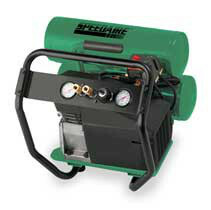
Boosting Efficiency: How to Optimize Your Air Compressor for Lower Energy Costs
For many businesses and workshops, the air compressor is the heartbeat of operations. However, it’s also one of the most energy-intensive pieces of equipment you own. In fact, in some industrial facilities, compressed air can account for as much as 40% of the total electricity bill.
If you’ve noticed your utility costs creeping up, it’s time to look at your setup. At Master Tool Repair, we believe that a well-maintained compressor isn't just about performance—it’s about your bottom line. Here is how you can optimize your system to lower energy costs today.
1. Hunt Down and Fix Leaks
The most common cause of energy waste is air leaks. Even a tiny hole (the size of a pinhead) in a hose or fitting can cost hundreds of dollars a year in wasted energy. Regularly inspect your couplings, hoses, and valves. If you hear a hiss, don't ignore it. Replacing worn-out seals and fittings is the fastest way to see a return on your investment, and don’t forget to wrap all threaded fittings with Teflon tape!
2. Lower the Operating Pressure
Are you running your compressor at a higher PSI than your tools actually require? For every 2 PSI reduction in discharge pressure, you can save approximately 1% in energy costs. Check the requirements of your pneumatic tools and adjust your pressure switch settings to the minimum level needed to get the job done effectively.
3. Replace Clogged Filters
Think of your air filter like the lungs of your compressor. When the filter is clogged with dust and debris, the motor has to work twice as hard to pull air in, consuming significantly more power. Regularly replacing your air filters is a low-cost way to ensure your motor runs cool and efficiently.
4. Optimize Your Storage
If your compressor cycles on and off too frequently (short-cycling), it consumes a massive amount of "startup" energy. Adding an auxiliary receiver tank can provide additional storage capacity, allowing the motor to rest longer between cycles and providing a consistent flow of air without forcing the pump to run constantly.
5. Don’t Neglect Routine Maintenance
Oil-lubricated compressors need clean, high-quality oil to reduce friction. High friction equals high heat and higher energy consumption. Ensure you are following your manufacturer’s maintenance schedule—changing the oil and checking the v-belts or proper tension to prevent slippage.
The Bottom Line
Optimizing your air compressor doesn't require a total system overhaul. By staying on top of small repairs and replacing worn parts, you can significantly reduce your energy footprint.
Recent Posts
-
Air Compressor Pumps 101: Understanding the Heart of Your Machine
If you rely on compressed air for your workshop, automotive garage, or industrial facility, you know …Jul 1, 2026 -
Common Mistakes to Avoid When Repairing Your Air Compressor
Fixing your own air compressor is an excellent way to save money, minimize project downtime, and ext …Jun 25, 2026 -
Ditch the Rust! Manual vs. Automatic Air Compressor Drain Valves
Every time you run your air compressor, physics works against your machine. As air compresses, it he …Jun 18, 2026