
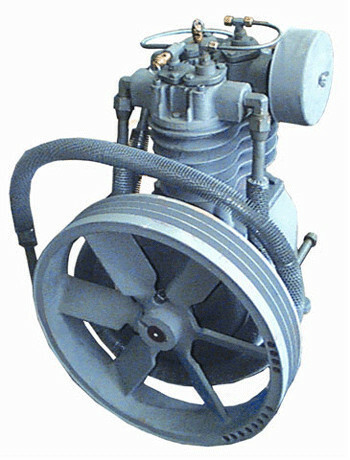
Air Compressor Pumps 101: Understanding the Heart of Your Machine
If you rely on compressed air for your workshop, automotive garage, or industrial facility, you know how crucial a reliable machine is. But do you know what actually makes it run?
An air compressor is made of several vital components, but the air compressor pump is the undisputed heart of the entire system. Without a properly functioning pump, your tank is just an empty steel shell. Understanding how your pump works, how to maintain it, and how to identify problems early will save you thousands of dollars in premature replacement costs.
What is an Air Compressor Pump?
An air compressor pump is the mechanical device responsible for drawing in atmospheric air, compressing it into a smaller volume, and forcing it into the storage tank. The pump converts mechanical energy—typically from an electric motor or gas engine—into pneumatic energy (compressed air).
There are two primary categories of compressor pumps found in commercial and DIY settings:
- Reciprocating (Piston) Pumps: These use a crankshaft, connecting rod, and piston moving up and down inside a cylinder to compress air. They are highly popular for intermittent use and standard workshop applications.
- Rotary Screw Pumps: These utilize two interlocking helical screws that trap and compress air continuously. They are designed for 100% duty cycles in heavy industrial environments where high CFM delivery is paramount
How Does a Piston Compressor Pump Work?
To understand how air is pressurized, it helps to break down the stroke cycle of a standard single-stage reciprocating pump into two distinct steps:
- The Intake Stroke: As the piston moves downward within the cylinder, it creates a vacuum. This vacuum pulls open the intake valve, drawing filtered ambient air into the cylinder chamber.
- The Compression Stroke: When the piston reaches the bottom and begins its upward motion, the intake valve forces shut. The rising piston compresses the air into a tight space, increasing its pressure. Once the pressure inside the cylinder exceeds the pressure in the discharge line, the exhaust (reed) valve opens, sending the pressurized air into the tank.
A single-stage pump compresses air to its final pressure in one stroke (usually up to 125 PSI). A two-stage pump compresses air in a large cylinder, sends it through an intercooler tube to cool down, and then compresses it a second time in a smaller cylinder to reach higher pressures (often up to 175 PSI or more).
Essential Maintenance to Extend Pump Life
Air compressor pumps experience intense friction, heat, and pressure. To prevent catastrophic failure, incorporate these three maintenance practices:
- Check and Change the Oil: If you have an oil-lubricated pump, check the sight glass daily. Change the air compressor oil according to the manufacturer's suggested hours (typically every 100 to 300 hours of use). Never use automotive motor oil, as it contains detergents that can damage your pump.
- Inspect and Clean Air Filters: A clogged filter forces your pump to work twice as hard to draw air, leading to overheating and premature wear on the piston rings and valves. Clean or replace filters regularly.
- Monitor for Leaks and Vibration: Loose bolts or failing gaskets can cause air or oil leaks, throwing off the internal balance of the pump and causing severe mechanical damage.
Eric’s Expert Tip
"The number one killer of reciprocating pumps is heat buildup due to worn-out reed valves and faulty gaskets. If your compressor is taking much longer than usual to pump up to pressure, or if it never reaches the cut-out pressure at all, don't just keep running it. Stop the machine and check your valve plate. Replacing a worn set of inexpensive reed or disc valves takes less than an hour and prevents your pump from overheating, warping, or seizing up entirely."
FAQs
Q: What is an air compressor pump?
A: An air compressor pump is the mechanical component of an air compressor system that takes in ambient atmospheric air, compresses it to a higher pressure via pistons or rotary screws, and delivers it to the storage tank for use.
Q: How long does an air compressor pump last?
A: A high-quality, well-maintained air compressor pump can last between 2,000 to 10,000 hours of operation. Reciprocating pumps generally last closer to 2,000–5,000 hours, while industrial rotary screw pumps can last up to 40,000 hours or more with strict maintenance.
Q: What causes an air compressor pump to fail?
A: The most common causes of air compressor pump failure are lack of lubrication (low or degraded oil), overheating from continuous over-cycling, contaminated air intake due to dirty filters, and broken or carbon-crusted valves.
Q: Can you rebuild an air compressor pump?
A: Yes, most high-quality air compressor pumps can be completely rebuilt. At Master Tool Repair, we provide replacement parts like valve plates, piston rings, gaskets, and bearings, allowing you to restore your existing pump to factory performance for a fraction of the cost of buying a whole new compressor.
Recent Posts
-
Air Compressor Pumps 101: Understanding the Heart of Your Machine
If you rely on compressed air for your workshop, automotive garage, or industrial facility, you know …Jul 1, 2026 -
Common Mistakes to Avoid When Repairing Your Air Compressor
Fixing your own air compressor is an excellent way to save money, minimize project downtime, and ext …Jun 25, 2026 -
Ditch the Rust! Manual vs. Automatic Air Compressor Drain Valves
Every time you run your air compressor, physics works against your machine. As air compresses, it he …Jun 18, 2026