
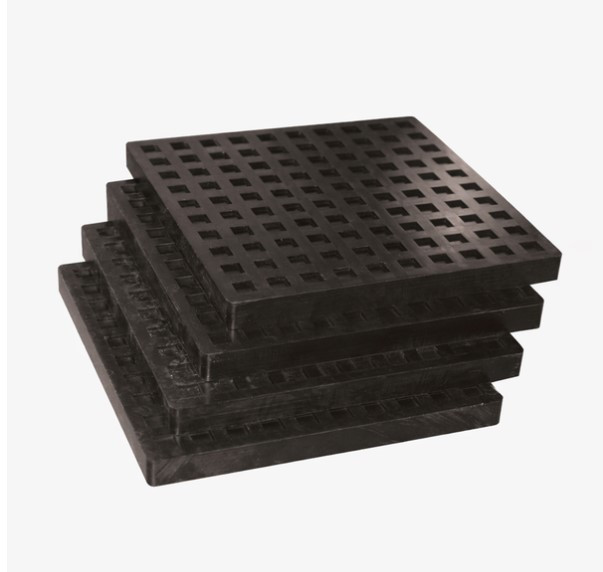
The Silent Killer of Air Compressors: Vibration and Why Your Mounts Matter
If you’ve ever walked into your shop and heard your air compressor "walking" across the floor or rattling like a cage of loose silverware, you aren’t just hearing noise—you’re hearing your investment slowly shake itself to pieces.
As the owner of Master Tool Repair, I’ve seen thousands of machines come through our shop. The most frustrating repairs are the ones that could have been avoided with a simple piece of rubber. Proper mounting and vibration dampening are not just about noise reduction; they are fundamental to the mechanical integrity of your system.
Why Vibration Is Your Compressor’s Worst Enemy
Air compressors are, by nature, reciprocating machines. The internal pistons move at high speeds, creating kinetic energy that translates into vibration. Without proper dampening, this energy has nowhere to go but into the tank, the motor, and the plumbing.
Excessive vibration leads to:
- Metal Fatigue: Constant shaking causes stress fractures in the tank and mounting brackets.
- Fitting Failures: Vibration loosens threaded connections, leading to chronic air leaks that force your pump to work overtime.
- Internal Component Wear: Bearings and valves wear unevenly when the chassis isn’t stabilized.
Choosing the Right Dampening Solution
Not all mounts are created equal. Depending on whether you have a small portable unit or a large industrial stationary compressor, your needs will vary.
- Vibration Pads: Usually made of high-density rubber or cork-and-rubber sandwiches. These are excellent for stationary upright tanks to prevent the "walking" effect and protect the concrete floor.
- Rubber Isolation Mounts: These are often used between the pump/motor and the tank itself. They decouple the moving parts from the storage vessel, significantly lowering the decibel level.
- Nitrile Vibration Pads: Made from nitrile rubber (NBR), nitrile vibration pads are preferred for compressors in oily or fuel-rich environments, or where chemical resistance is critical. Nitrile resists oils, lubricants, fuels, and various hydrocarbons.
- Spring Mounts: Typically reserved for massive industrial units, these provide the highest level of isolation for heavy-duty applications.
Eric’s Expert Tip
"I’ve seen many tanks develop hairline cracks near the feet because they were bolted directly to a concrete floor without any padding. Never 'hard-bolt' a compressor. If you must bolt it down for safety, always use an isolation pad between the foot and the floor, and don't over-tighten the bolts. You want to snug them, not crush the dampening material. If the rubber is compressed flat, it’s no longer absorbing vibration—it’s just a hard spacer."
FAQs: Vibration and Mounting
Q: Why is my air compressor moving across the floor?
A: This is known as "walking." It occurs when the vibration of the pump isn't absorbed by the feet. Installing rubber vibration pads will increase friction and absorb the kinetic energy, keeping the unit stationary.
Q: Can I use wood blocks as vibration dampeners?
A: No. Wood is a hard material that transmits vibration rather than absorbing it. Over time, the vibration will cause the wood to splinter or the bolts to loosen. Use dedicated rubber isolation pads designed for machinery.
Q: How often should I replace my vibration mounts?
A: Rubber degrades over time, especially in shops with oil mist or temperature fluctuations. Inspect your mounts annually. If they appear cracked, brittle, or have been compressed to less than 75% of their original thickness, it’s time for a replacement.
Q: Does vibration affect my pressure switch and gauges?
A: Absolutely. Excessive shaking can cause the delicate internal springs and needles of gauges to fail or lead to "ghost" readings. It can also cause the electrical contacts in your pressure switch to arc or loosen.
Recent Posts
-
Air Compressor Pumps 101: Understanding the Heart of Your Machine
If you rely on compressed air for your workshop, automotive garage, or industrial facility, you know …Jul 1, 2026 -
Common Mistakes to Avoid When Repairing Your Air Compressor
Fixing your own air compressor is an excellent way to save money, minimize project downtime, and ext …Jun 25, 2026 -
Ditch the Rust! Manual vs. Automatic Air Compressor Drain Valves
Every time you run your air compressor, physics works against your machine. As air compresses, it he …Jun 18, 2026