
Understanding Thermal Overload Protectors in Your Air Compressor Motor
If your air compressor motor suddenly shuts down and the housing feels hot to the touch, you haven't necessarily suffered a catastrophic failure. In many cases, a small but vital component called the thermal overload protector has done its job.
Understanding how this safety mechanism functions is essential for maintaining the longevity of your equipment and avoiding unnecessary motor replacements.
What is a Thermal Overload Protector?
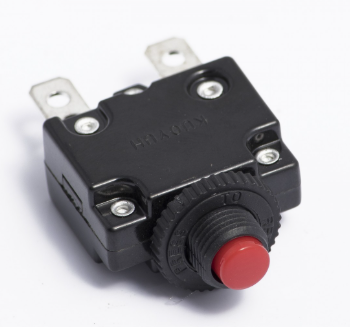
A thermal overload protector is a specialized electrical safety device integrated into or attached to the air compressor motor. Its primary function is to monitor the temperature of the motor windings. If the motor draws excessive current or begins to overheat due to mechanical strain, the protector "trips," breaking the electrical circuit and cutting power before the heat can melt the insulation on the internal wiring.
Why Do Thermal Overloads Trip?
There are several common reasons why your compressor might be triggering its safety shut-off:
- Voltage Drops: Using an undersized or overly long extension cord can cause a "brownout" effect at the motor, forcing it to draw more amps to compensate for the low voltage.
- Pressure Switch Issues: If the pressure switch fails to cut out at the designated PSI, the motor works against extreme resistance, leading to rapid heat buildup.
- Mechanical Friction: Worn bearings or a seized pump head create physical resistance that the motor must fight through.
- Environmental Factors: Operating a compressor in a confined space with poor ventilation prevents the motor’s cooling fan from dissipating heat effectively.
Eric’s Expert Tip
"I see a lot of guys try to bypass a tripping overload protector to finish a job. Never do this. The protector is a diagnostic tool as much as it is a safety device. If it's tripping, it’s telling you there is an underlying issue with your power supply or your pump. Address the overheating, don’t kill the messenger."
How to Reset and Troubleshoot
Most small-to-mid-sized compressors feature a manual reset button—usually a small red or black button located on the motor's junction box. If your motor stops, wait at least 10 minutes for the internal components to cool down before pressing this button. If it trips again immediately, you likely have a capacitor failure or a mechanical blockage in the pump.
Frequently Asked Questions (FAQ)
Q: How do I know if my thermal overload protector is bad?
A: If the motor is cool but won't start, and you have confirmed power to the unit, use a multimeter to check for continuity across the protector. No continuity means the internal bi-metal strip is likely damaged and the part needs replacement.
Q: Can I replace just the overload protector?
A: Yes. On most Master Tool Repair models, the thermal overload is a discrete component that can be swapped out without replacing the entire motor, saving you hundreds of dollars in repair costs.
Q: Why does my compressor trip the overload only in the summer?
A: High ambient temperatures reduce the motor's ability to cool itself. Ensure your compressor has at least 12–18 inches of clearance from walls to allow for proper airflow.
Recent Posts
-
Air Compressor Pumps 101: Understanding the Heart of Your Machine
If you rely on compressed air for your workshop, automotive garage, or industrial facility, you know …Jul 1, 2026 -
Common Mistakes to Avoid When Repairing Your Air Compressor
Fixing your own air compressor is an excellent way to save money, minimize project downtime, and ext …Jun 25, 2026 -
Ditch the Rust! Manual vs. Automatic Air Compressor Drain Valves
Every time you run your air compressor, physics works against your machine. As air compresses, it he …Jun 18, 2026