
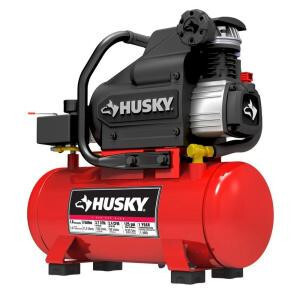
Common Mistakes to Avoid When Repairing Your Air Compressor
Fixing your own air compressor is an excellent way to save money, minimize project downtime, and extend the lifespan of your equipment. However, because air compressors operate under intense pressure and electrical loads, even a minor oversight can lead to expensive damage or severe safety hazards.
To help you get the job done right the first time, we have compiled the most frequent mistakes DIYers and technicians make during air compressor repairs—and exactly how you can avoid them.
1. Failing to Disconnect the Power and Drain the Tank
The absolute most dangerous mistake you can make is working on an air compressor that is still plugged in or holding pressurized air.
- The Risk: Shock hazards, accidental motor startups, or parts shooting off violently when unbolted under pressure.
- The Fix: Always unplug the compressor from the power source. Then, open the tank drain valve completely to release all residual compressed air before touching any internal components. Verify the pressure gauge reads zero.
2. Over-Tightening Fittings and Bolts
When installing a new pressure switch, manifold, or check valve, it is tempting to tighten the connections as much as possible to prevent leaks.
- The Risk: Air compressor components are frequently made of aluminum or brass. Over-tightening easily strips threads, cracks housings, and ruins brand-new parts.
- The Fix: Thread the part by hand first to avoid cross-threading, then use a wrench to tighten it until it is snug. If you are using thread sealant tape, two to three wraps is sufficient. Let the sealant do the work, not brute force.
3. Guessing on Parts Interchangability
Assuming a part will fit just because it looks similar to your old one is a recipe for frustration. A pressure switch that cuts out at the wrong PSI or a flywheel with the incorrect bore size can permanently ruin your pump or motor.
- The Risk: System failure, motor burnout, or unsafe pressure accumulation.
- The Fix: Never shop by appearance alone. Always locate your compressor’s exact model number and look up the matching OEM or high-quality aftermarket parts schematic. If you cannot find your model number, measure the specific dimensions and electrical specs of the old part before ordering.
4. Reusing Worn-Out Gaskets and Seals
When tearing down a pump to replace a valve plate or piston ring, reusing the old gaskets to save a few dollars is highly counterproductive.
- The Risk: Immediate air or oil leaks, loss of compression, and having to do the entire repair job over again.
- The Fix: Always install brand-new gaskets and O-rings during a rebuild. Clean the mating surfaces thoroughly to ensure a completely flush, airtight seal.
Eric’s Expert Tip
"Many folks call me because their compressor won’t stop running or keeps blowing the safety valve. More often than not, they just replaced the pressure switch but ignored the check valve. If your check valve is leaking back into the pump, it creates too much head pressure for the motor to start up again. Whenever you suspect a faulty pressure switch, always test your check valve too. Replacing them together saves you time, money, and unnecessary troubleshooting."
FAQs
Q: Why is my air compressor leaking air from the pressure switch?
A: An air leak from the pressure switch unloader valve while the unit is shut off usually indicates a failing tank check valve, not a broken pressure switch. The check valve is failing to prevent tank air from leaking backward into the unloader line. If the pressure switch leaks while the unit is running, this indicates a faulty unloader valve or pressure switch.
You can find your Check Valve by searching for your air compressor model number. Some check valves are specific to a model number.
Q: How often should I drain my air compressor tank?
A: You should drain your air compressor tank after every use, or daily if used continuously. Moisture condenses inside the tank during operation; leaving water inside causes internal rust, which weakens the tank walls and creates safety risks.
You can find Drain Valves for your air compressor here.
Q: Can I use standard automotive oil in my air compressor pump?
A: No, you should not use standard automotive oil. Automotive oil contains detergents that suspend contaminants, which can cause carbon buildup on compressor valves. Always use non-detergent air compressor oil specifically formulated for reciprocating pumps.
Q: Where can I find the model number on my air compressor?
A: The model number is typically located on a sticker or label on the air compressor baseplate or air tank. If there is a silver or black metal plate on the tank, this does not contain the model number of the air compressor, but is certification information for the air tank itself, not the compressor model number.
Recent Posts
-
Air Compressor Pumps 101: Understanding the Heart of Your Machine
If you rely on compressed air for your workshop, automotive garage, or industrial facility, you know …Jul 1, 2026 -
Common Mistakes to Avoid When Repairing Your Air Compressor
Fixing your own air compressor is an excellent way to save money, minimize project downtime, and ext …Jun 25, 2026 -
Ditch the Rust! Manual vs. Automatic Air Compressor Drain Valves
Every time you run your air compressor, physics works against your machine. As air compresses, it he …Jun 18, 2026