
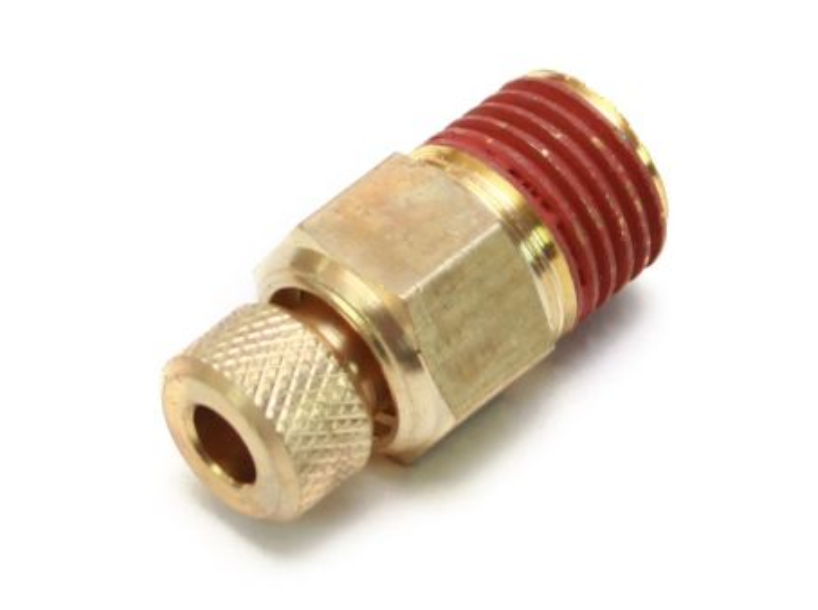
Ditch the Rust! Manual vs. Automatic Air Compressor Drain Valves
Every time you run your air compressor, physics works against your machine. As air compresses, it heats up. As it cools inside your tank, moisture condenses. This leaves a pool of water sitting at the bottom of your steel tank.
If you leave that water there, it eats away at the steel, creating rust, compromising tank integrity, and eventually ruining your pneumatic tools.
To keep your system running efficiently, you must remove this moisture. The choice comes down to two components: manual vs. automatic air compressor drain valves. Understanding the mechanical differences between these options determines how well you protect your equipment from internal corrosion.
What is a Manual Air Compressor Drain Valve?
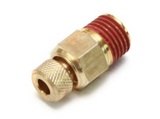
A manual air compressor drain valve is a hand-operated mechanical fitting located at the lowest point of an air compressor tank. To operate it, a user must physically open the valve—typically by turning a petcock, thumb screw, or ball valve lever—to allow accumulated water and sludge to blow out under tank pressure.
Manual valves are standard factory equipment on most compressors. They are highly reliable because they have no electrical components and few moving parts. However, their effectiveness relies entirely on human memory and physical execution.
What is an Automatic Air Compressor Drain Valve?
An automatic air compressor drain valve is a device that electronically or mechanically evacuates condensed water from an air tank without human intervention. These systems eliminate the risk of human error by managing the moisture-purging cycle automatically.
There are three primary types of automatic drains:
- Electronic Timer Drains: These use a digital control panel to open a solenoid valve at set intervals (e.g., every 45 minutes) for a specific duration (e.g., 5 seconds).
- Pneumatic/Float Drains: These operate mechanically. When internal water levels lift an internal float to a specific threshold, a mechanical trigger opens the valve to dump the water.
- Zero-Loss/Demand Drains: These utilize electronic sensors to detect water levels and open only when the reservoir is full, preventing any loss of compressed air during the cycle.
Manual vs. Automatic Air Compressor Drain Valves: Side-by-Side Comparison
When upgrading your pneumatic system, weigh these four variables:
- Reliability and Maintenance: Manual valves rarely fail mechanically, but they fail logistically if operators forget to open them. Automatic electronic valves require electricity and can occasionally clog with rust scale, requiring periodic cleaning.
- Air Loss and Efficiency: Manual valves allow you to control exactly how much air escapes during a purge. Timed automatic valves will open even if no water is present, resulting in minor compressed air loss. Zero-loss automatic drains solve this by purging only fluid, saving energy.
- Cost: Manual replacement valves are incredibly affordable and simple to screw into the tank base. Automatic electronic timed valves carry a higher upfront cost but save money over time by reducing labor and protecting downstream tools.
- Convenience: Automatic valves excel in commercial shops, multi-stage systems, or setups where the compressor tank is tucked away in a crawlspace or tight corner where physical access is difficult.
Eric's Expert Tip
"If you stick with a manual valve, never open it while looking directly at it; the high-pressure blast can shoot rust particles into your eyes. If you upgrade to an electronic automatic valve, always install a small manual ball valve and a strainer inline right before the auto-drain. This lets you isolate the valve for easy cleaning when tank scale inevitably tries to clog the solenoid orifice."
FAQs
Q: How often should I drain my air compressor tank manually?
A: You should drain your air compressor tank manually at the end of every day or after every 4 hours of continuous operation. This prevents moisture from sitting in the tank overnight and starting the oxidation process.
Q: Do automatic drain valves cause air leaks?
A: Timed electronic automatic drain valves do release a small blast of compressed air each time they cycle. To prevent unnecessary air loss, you should adjust the timer so it only stays open long enough to expel the water, not the clean air behind it.
Q: Can I install an automatic drain valve on any air compressor?
A: Yes, you can install an automatic drain valve on almost any compressor as long as you match the thread size of your tank's drain port (commonly 1/4-inch NPT) and have an appropriate power source nearby for electronic models.
Q: What happens if I never drain my air compressor?
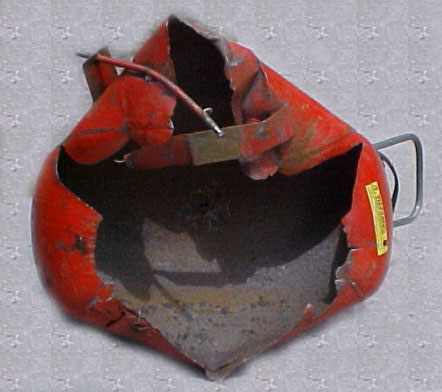
A: If you never drain your air compressor, water will fill the bottom of the tank, reducing its air storage capacity. More critically, the water creates internal rust that thins the steel walls, which can lead to catastrophic tank failure or explosion under pressure. Here’s an example of an air tank with just such a failure!...
Recent Posts
-
Air Compressor Pumps 101: Understanding the Heart of Your Machine
If you rely on compressed air for your workshop, automotive garage, or industrial facility, you know …Jul 1, 2026 -
Common Mistakes to Avoid When Repairing Your Air Compressor
Fixing your own air compressor is an excellent way to save money, minimize project downtime, and ext …Jun 25, 2026 -
Ditch the Rust! Manual vs. Automatic Air Compressor Drain Valves
Every time you run your air compressor, physics works against your machine. As air compresses, it he …Jun 18, 2026