
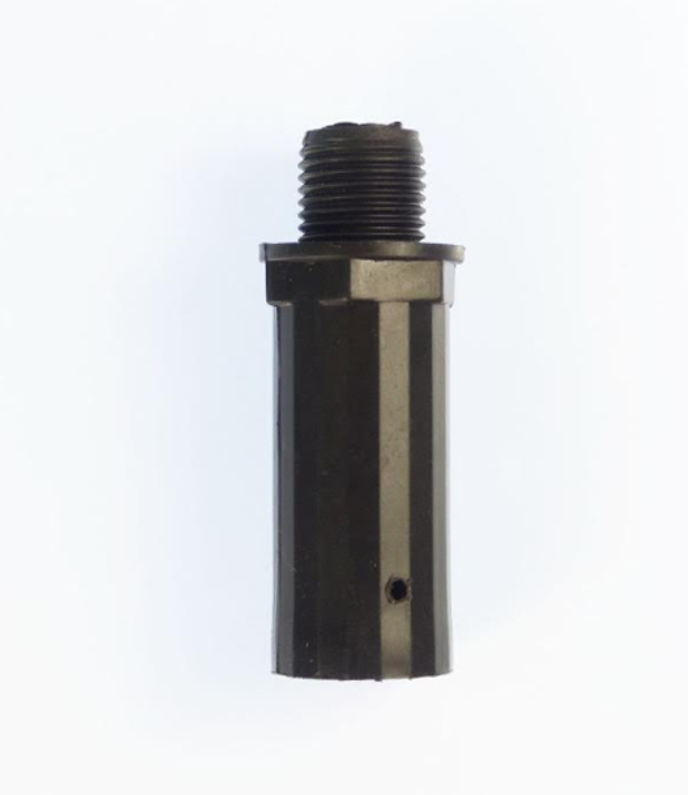
The Breath of the Pump: Why Your Air Compressor Needs a Healthy Crankcase Breather/Vent
Your air compressor is a powerhouse, a workhorse essential to your operation. We all know the importance of regular oil changes and clean air filters, but there's a small, often overlooked component that is absolutely crucial to the pump's longevity: the crankcase breather or vent.
Think of it as the "lungs" of your compressor's crankcase. If it can't breathe, your entire pump suffers.
The Critical Role of the Crankcase Breather
In an oil-lubricated reciprocating air compressor, the crankcase contains the oil and the moving parts (crankshaft, connecting rods, pistons). While the compressor is running, two things happen inside that demand ventilation:
- Blow-by Gases: Just like in a car engine, tiny amounts of compressed air and combustion byproducts (if it's an engine-driven unit) inevitably sneak past the piston rings and into the crankcase.
- Pressure and Heat: The continuous movement of the piston creates pressure fluctuations, and the overall heat causes oil to vaporize into a fine mist.
The crankcase breather is a simple but brilliant component designed to address these issues. Its job is to:
- Equalize Pressure: It releases the pressure build-up from "blow-by" gases and piston movement, preventing high internal pressure from stressing the entire system.
- Prevent Contamination: Its filter or baffling ensures that while excess pressure is vented, outside contaminants like dust and dirt are kept out.
- Manage Oil Mist: It often includes a way to separate and return excessive oil mist back into the sump, preventing oil loss.
When the Breather Stops Breathing: The Dangers of Clogging
When your crankcase breather gets clogged with dirt, sludge, or hardened oil varnish, it can no longer vent properly, and the internal pressure skyrockets. This leads to a chain reaction of expensive failures:
- Catastrophic Oil Leaks: Excessive pressure has to go somewhere, and it will force its way out through the weakest points: the crankshaft seals, O-rings, and gaskets. You’ll see oil spraying or leaking around the pump head and shaft seals.
- Oil Pumping: High crankcase pressure can actually push oil up past the piston rings, leading to excessive oil consumption, oil in the discharge air, and rapid carbon build-up on your valves and heads.
- Premature Component Wear: If the pressure is severe enough, it can put undue stress on connecting rods and seals, accelerating the wear and tear that leads to premature pump failure.
Simply put, a breather vent failure can easily lead to hundreds of dollars in damage to seals, gaskets, and even the pump itself. So, don't wait for the oil to start leaking. Incorporate the crankcase breather into your regular maintenance schedule.
- Inspection: If you see oil leaking excessively, or if your pump seems to be "pumping oil" where it wasn't before, check the breather first.
- Replacement: The crankcase breather is an affordable, easy-to-replace part. Replacing it takes minutes, but it can save your pump years of life.
A healthy breather means a healthy pump. Keep your air compressor breathing easy and operating efficiently.
Recent Posts
-
How to Prep Your Air Compressor for Peak Performance: The Spring Maintenance Checklist
When the seasons shift, your air compressor faces new challenges. Changes in temperature and humidit …Apr 7, 2026 -

Stop the Leaks: The Master Guide to Using Teflon Tape on Air Compressors
When you’re dealing with high-pressure systems, a single microscopic gap in a threaded connection ca …Apr 1, 2026 -
Breaker Tripping? Troubleshooting Air Compressor Overload Issues
It’s a universal frustration: You’re mid-project, the motor hums for a second, and then—click—the br …Mar 25, 2026